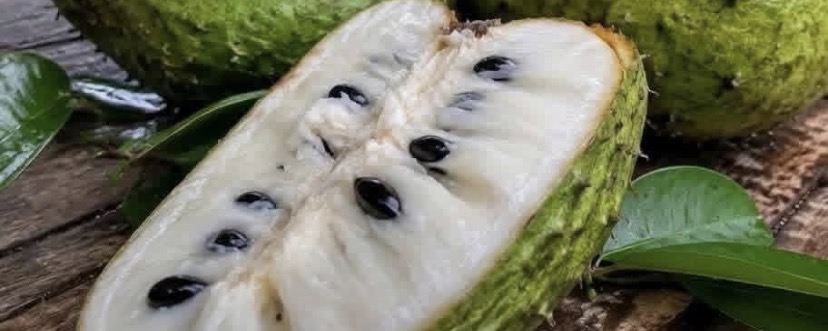
Soursop, scientifically known as Annona muricata and often referred to as guanabana, is a unique tropical fruit native to the rainforests of the Americas, Africa, and Southeast Asia. Recognized easily by its prickly green outer skin and soft, fibrous white flesh filled with numerous dark seeds, soursop has captured the attention of health enthusiasts worldwide. The fruit offers a distinct flavor profile that blends the sweetness of pineapple and strawberry with a creamy, custard-like citrus undertone.
Beyond its delicious taste, soursop has long been celebrated in traditional medicine for its rich nutritional value. Packed with vitamin C, antioxidants, potassium, and dietary fiber, integrating this tropical superfruit into your diet can significantly boost your overall wellness, support immune function, and promote optimal digestion.
Nutritional Profile and Health Benefits of Soursop
The soursop fruit is a powerhouse of essential nutrients that contribute to various health advantages. Here are some of the primary reasons why nutritionists recommend incorporating guanabana into your diet:
High Antioxidant Content: Soursop is rich in plant compounds like acetogenins, flavonoids, and antioxidants, which help neutralize harmful free radicals and protect cells from oxidative stress.
Boosting Immune System Function: Loaded with vitamin C, soursop stimulates the production of white blood cells, strengthening your body’s natural defense mechanisms against infections and illnesses.
Supporting Digestive Health: The abundant dietary fiber present in soursop flesh promotes regular bowel movements, prevents constipation, and supports a healthy gut microbiome.
Relieving Inflammation: Traditional remedies frequently utilize soursop leaves and fruit pulp for their natural anti-inflammatory properties, helping to soothe minor aches and reduce swelling.
How to Prepare and Enjoy Soursop at Home
Enjoying fresh soursop requires a few simple steps to separate the edible creamy pulp from its inedible skin and seeds. Here is a step-by-step guide to preparing guanabana safely:
Selecting and Cutting the Fruit
1. Choose a ripe soursop that yields slightly to gentle pressure and exhibits a fragrant aroma.
2. Wash the outer green skin thoroughly under clean running water.
3. Slice the fruit in half lengthwise using a sharp kitchen knife to reveal the soft white flesh and black seeds.
4. Scoop out the creamy pulp using a spoon, ensuring you carefully remove and discard all the hard black seeds, as they contain toxic compounds.
Making Refreshing Soursop Juice or Smoothie
1. Take one cup of cleaned, seedless soursop pulp.
2. Blend the pulp with a cup of filtered water or coconut water until smooth.
3. Add a dash of lime juice or a hint of raw honey to enhance the tropical flavor profile.
4. Strain the mixture if a smoother consistency is desired, then serve chilled over ice.
Important Safety Considerations and Precautions
While soursop offers impressive health benefits, consuming it requires awareness of certain precautions.
The seeds and skin of the soursop fruit contain neurotoxins that can cause adverse health effects if ingested regularly or in large quantities. Always ensure the seeds are completely removed before eating or blending the fruit. Furthermore, individuals with neurological conditions, low blood pressure, or pregnant and breastfeeding women should consult a healthcare professional before adding concentrated soursop supplements to their diet.
Frequently Asked Questions About Soursop
What does soursop taste like?
Soursop features a complex, tropical flavor profile that tastes like a combination of strawberry and pineapple, balanced with a creamy, custard-like texture.
Are soursop seeds safe to eat?
No, soursop seeds are toxic and should never be consumed. Always make sure to separate and discard all seeds before eating the pulp or preparing juice.
Can soursop help improve sleep quality?
In traditional folk medicine, soursop leaves are frequently brewed into a soothing herbal tea to alleviate stress, calm the nervous system, and promote restful sleep