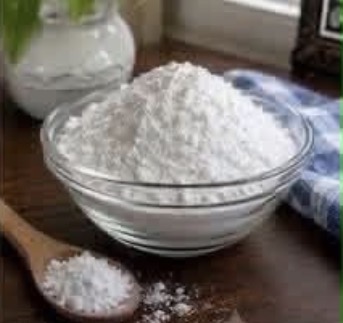
Baking powder is one of the most essential dry leavening agents used in modern baking and cooking. It is a finely ground white powder composed of a base (usually baking soda), an acid (such as cream of tartar), and a moisture-absorbing carrier like cornstarch to prevent premature activation.
How Baking Powder Works in Everyday Recipes
Understanding the chemical reaction behind baking powder helps home bakers achieve light, fluffy, and perfectly risen baked goods:
Chemical Reaction: When combined with liquid, the acidic and alkaline components dissolve and react together, producing carbon dioxide gas bubbles.
Double-Acting Formula: Most commercially available baking powders are double-acting, meaning they release gas twice—first when mixed with wet ingredients at room temperature, and second when exposed to heat in the oven.
Volume and Texture Creation: The expanding air bubbles trapped inside the batter cause cakes, quick breads, and pastries to rise evenly and develop a soft crumb structure.
Key Differences Between Baking Powder and Baking Soda
Although both are white powders used as leavening agents, they function differently in recipes:
Composition: Baking soda is pure sodium bicarbonate requiring an acidic ingredient (like buttermilk or lemon juice) to activate, whereas baking powder already contains the required acid.
Taste Profile: Excess baking soda leaves a metallic or bitter taste if not neutralised, while baking powder offers a neutral flavor balance suitable for sweet and savory dishes.
Recipe Versatility: Baking powder is ideal for recipes that lack acidic components, allowing effortless leavening in simple doughs and batters.
Step-by-Step Guide to Testing Freshness at Home
Using fresh baking powder is critical for achieving properly risen baked items. You can easily test its potency using a simple water test:
1. Prepare Warm Water: Pour half a cup of warm tap water into a small bowl or glass.
2. Add Baking Powder: Measure half a teaspoon of baking powder and stir it into the warm water.
3. Observe the Reaction: Fresh, active baking powder will immediately fizz and bubble vigorously. If the mixture remains flat or shows minimal reaction, replace it before baking.
Best Practices for Storing Baking Powder
To prolong shelf life and prevent moisture degradation, follow proper storage techniques:
Keep in a Cool, Dry Place: Store the container in a pantry or cupboard away from heat sources like stoves and dishwashers.
Seal Tightly After Each Use: Air moisture can slowly activate the powder inside the container, reducing its efficacy over time.
Avoid Refrigeration: The humidity inside a refrigerator can cause condensation inside the container, rendering the agent inactive.
Common Uses of Baking Powder Beyond Baking
Beyond classic cakes, muffins, and cookies, baking powder serves several clever culinary purposes:
Ultra-Crispy Chicken Wings: Coating chicken skin with a light dusting of baking powder before roasting helps draw out surface moisture for maximum crispiness.
Fluffy Omlettes and Pancakes: Adding a small pinch to beaten eggs or pancake batters creates an extra airy and light texture.
Tenderizing Meat: A mild dusting can help break down meat fibers, making proteins tenderer prior to high-heat searing.
Frequently Asked Questions About Baking Powder
Can I substitute baking soda for baking powder?
No, you cannot substitute them in equal amounts. Baking soda is roughly three times stronger and requires an added acid to work properly.
What happens if I use too much baking powder?
Using excess baking powder can cause the batter to rise too fast and collapse, leaving a bitter taste and coarse texture.
Is baking powder gluten-free?
Most standard baking powders use cornstarch as a stabilizer and are naturally gluten-free, but always verify the package labeling.