Introduction
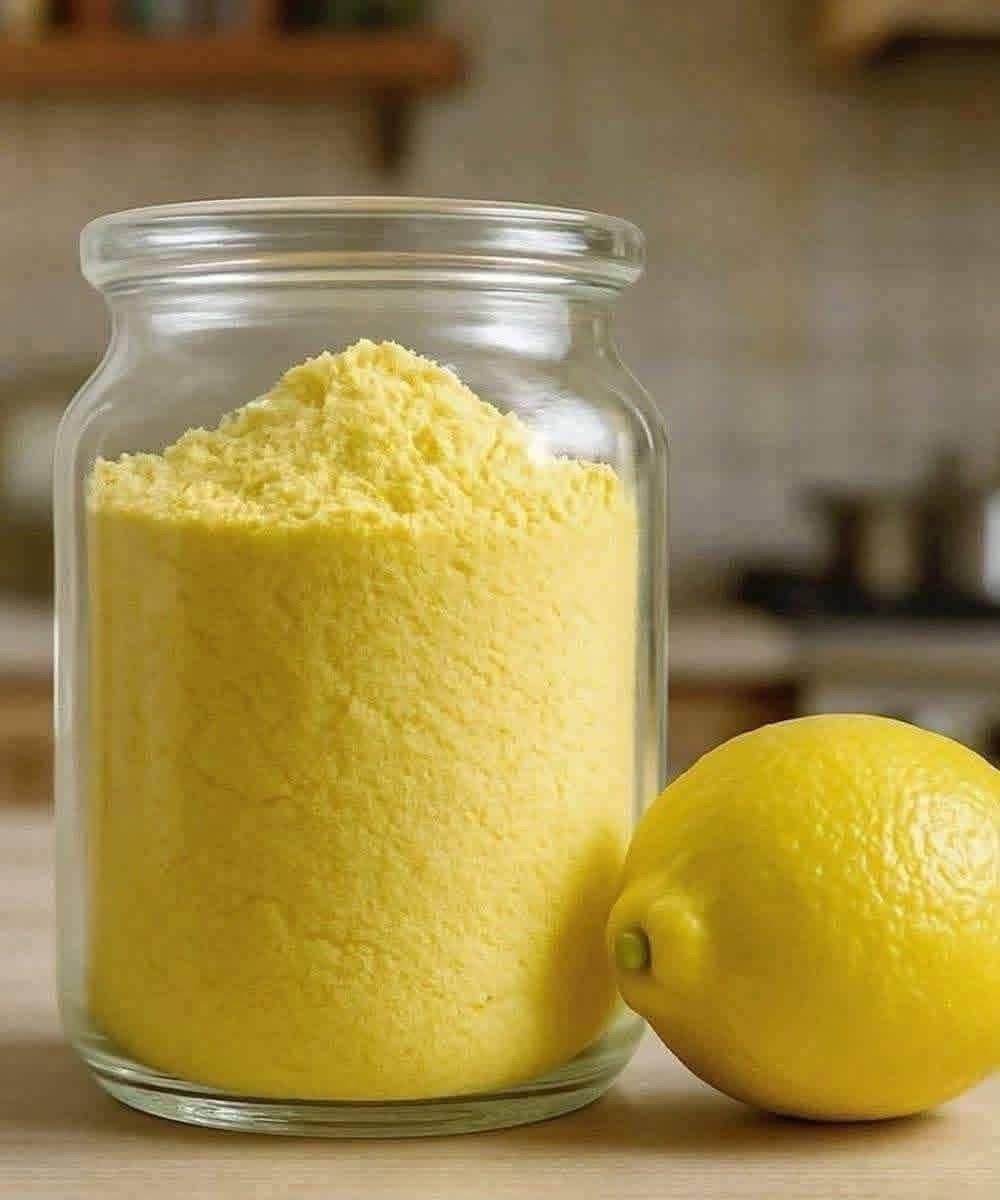
Homemade lemon powder is one of the easiest and most versatile pantry ingredients you can prepare at home. Made from dried lemon peels—or even whole dehydrated lemons—it captures the bright, citrusy aroma and flavor of fresh lemons in a shelf-stable form. Just a small pinch can transform cakes, cookies, breads, teas, marinades, sauces, soups, and spice blends.
Making your own lemon powder is also a wonderful way to reduce food waste by using lemon peels that would otherwise be discarded. Since lemon peels contain highly aromatic essential oils, the resulting powder delivers an intense burst of citrus flavor without adding extra liquid to recipes.
Ingredients
- 8–10 organic lemons (preferably unwaxed)
- Clean water
- 1 tablespoon baking soda or white vinegar (for washing the lemons)
Optional
- A pinch of citric acid (helps preserve freshness)
- 1 teaspoon powdered sugar (for sweet baking mixes)
- Sea salt (for savory seasoning blends)
Equipment
- Vegetable peeler or sharp knife
- Baking tray
- Parchment paper
- Food dehydrator (optional)
- Blender, spice grinder, or coffee grinder
- Fine mesh sieve
- Airtight glass jar
- Label and date sticker
Preparation Method
Step 1: Wash the Lemons
Wash each lemon thoroughly with water.
Rub them gently with baking soda or vinegar to remove any wax, dirt, or pesticide residue.
Rinse well and dry completely.
Step 2: Peel the Lemons
Using a vegetable peeler, remove only the yellow zest.
Avoid removing too much of the white pith because it can make the powder bitter.
Step 3: Dry the Peels
There are several methods.
Oven Method
- Preheat oven to 70–90°C.
- Spread peels on a lined baking tray.
- Dry for 2–4 hours.
- Turn occasionally.
- The peels are ready when completely crisp.
Food Dehydrator
- Arrange peels evenly.
- Dry at 50–55°C.
- Leave for 8–12 hours.
Air Drying
Place peels in a warm, dry place away from moisture.
Dry for several days until crisp.
Step 4: Grind
Place completely dried peels into a spice grinder.
Blend until a fine powder forms.
Step 5: Sift
Pass the powder through a fine sieve.
Return larger pieces to the grinder until everything becomes smooth.
Step 6: Store
Transfer to a clean airtight jar.
Keep in a cool, dark, dry place.
Properly stored, lemon powder can last 8–12 months.
Different Methods
Method 1: Peel-Only Powder
Produces a bright citrus flavor.
Perfect for baking.
Method 2: Whole Lemon Powder
Slice whole lemons thinly.
Dry completely.
Grind into powder.
This version has a stronger tart flavor.
Method 3: Freeze-Dried Powder
If using freeze-dried lemons, the powder keeps more nutrients and a fresher aroma.
Ways to Use Lemon Powder
A small pinch adds wonderful flavor to:
- Cakes
- Cookies
- Muffins
- Cheesecake
- Pancakes
- Waffles
- Bread
- Tea
- Smoothies
- Yogurt
- Ice cream
- Fruit salads
- Chicken
- Fish
- Seafood
- Marinades
- Rice dishes
- Roasted vegetables
- Soups
- Pasta
- Homemade spice rubs
Benefits
Homemade lemon powder offers many advantages:
- Rich citrus aroma.
- Adds flavor without extra moisture.
- Long shelf life.
- Helps reduce food waste.
- Contains natural antioxidants found in lemon peel.
- Convenient for everyday cooking.
- Easy to carry while traveling.
- Enhances both sweet and savory dishes.
- Free from artificial colors or preservatives.
- Budget-friendly and easy to prepare.
Nutritional Information (Approximate per teaspoon)
- Calories: 3–5
- Carbohydrates: 1 g
- Fiber: 0.5 g
- Vitamin C: Small amount (reduced during drying)
- Natural citrus oils
- Plant antioxidants
Nutrient levels vary depending on the drying method and storage conditions.
History
Lemons are believed to have originated in Asia before spreading through the Middle East and the Mediterranean. For centuries, cooks have dried citrus peels to preserve their fragrance and flavor. In traditional European, Middle Eastern, and North African kitchens, dried citrus peel has long been used in desserts, herbal teas, spice blends, and savory dishes. Modern lemon powder continues this tradition in a convenient form that stores well and delivers concentrated citrus flavor year-round.
Storage Tips
- Store in airtight glass containers.
- Keep away from direct sunlight.
- Avoid moisture.
- Always use a dry spoon.
- Refrigeration is optional but can extend freshness.
- If the powder develops an unusual smell or clumps due to moisture, discard it.
Tips for the Best Lemon Powder
- Choose organic, unwaxed lemons whenever possible.
- Dry the peels completely before grinding.
- Grind in small batches for a finer texture.
- Add to recipes near the end of cooking for the freshest aroma.
- Mix with herbs and spices to create custom seasoning blends.
Conclusion
Homemade lemon powder is a simple yet incredibly useful ingredient that brings fresh citrus flavor to countless recipes. With only a few lemons and a little patience, you can create a natural seasoning that enhances baked goods, drinks, marinades, and everyday meals. Making it at home is economical, reduces waste, and allows you to enjoy the vibrant taste of lemons throughout the year.
For Lemon Lovers ❤️
If you love the refreshing taste of lemons, this homemade lemon powder is sure to become one of your favorite kitchen staples. Sprinkle it over desserts, stir it into tea, season grilled vegetables, or add it to your favorite spice blends. Every pinch delivers bright citrus flavor and reminds us that simple homemade ingredients often create the most memorable dishes. Whether you’re an enthusiastic home baker or an adventurous cook, lemon powder is a small ingredient that makes a big difference. Enjoy experimenting with it and sharing your creations with family and friends!